Cessna 172RG Rear RH Baffle Assembly
Cessna 172RG Rear RH Baffle Assembly
Blog Article
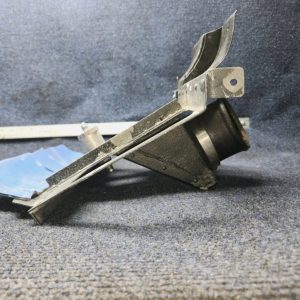
The Cessna 172RG Rear RH Baffle Assembly
The Cessna 172RG Rear Right-Hand Baffle can support airflow management, while the Cessna 172RG Engine Baffle and Cessna 172RG Cooling Baffle descriptions should not imply universal interchangeability.
The Cessna Cutlass Engine Baffle and Aircraft Engine Baffle Assembly keywords help qualified buyers locate relevant replacement parts.
An Aircraft Cooling Air Baffle may also be marketed as a Cessna 172RG Airflow Baffle when its exact location, orientation, and part number are stated accurately.
The Cessna Aircraft Engine Baffle may provide replacement value when its geometry, mounting points, seals, and material condition remain suitable.
Understanding P/N 2455038-2
Complete part-number verification reduces incorrect purchasing and unnecessary installation work.
Strong traceability improves the commercial and maintenance value of the Cessna 172RG Rear RH Baffle Assembly.
Cessna 172RG Engine Temperature Management
System-level inspection supports more effective engine-compartment maintenance.
Unexpected temperature indications may result from multiple causes rather than the rear baffle alone.
Aircraft Model and Serial Applicability
The Cessna 172RG Cutlass may contain production changes, previous repairs, engine modifications, or altered cooling-system components that affect fitment.
A component that fits one aircraft approximately may still interfere with another installation.
Understanding Formed Aluminum Cooling Panels
Formed contours help the baffle fit around the engine and connect with surrounding cooling-system components.
The baffle should be supported correctly during storage and shipment to prevent bending.
Rear RH Baffle Damage Inspection
Both sides should be examined under suitable lighting, especially around bends, corners, mounting holes, stiffeners, and seal-retaining edges.
Qualified evaluation helps determine whether repair, replacement, or rejection is appropriate.
Maintaining an Effective Cooling Boundary
The offered assembly should identify whether seal material, retainers, rivets, or mounting hardware are included.
Replacement seal material should correspond with the intended aircraft installation and suitable technical requirements.
Corrosion Inspection and Prevention
Aggressive sanding or grinding can remove structural material and complicate assessment.
The cause of contamination should be corrected before a replacement baffle is installed.
Inspecting Rear Baffle Attachment Points
Detailed attachment-point inspection supports accurate repair planning.
Fastener type, diameter, grip, spacing, and installation method should correspond with applicable data.
Cessna Cutlass Cooling System Components
Every supporting component should be identified by part number, position, condition, and required quantity.
Parts should be labeled and segregated according to condition and inspection status.
Diagnosing Cessna 172RG Cooling Concerns
Temperature sensors and gauges should be evaluated when readings appear inconsistent with other operating evidence.
Post-maintenance checks should confirm that the complete installation functions as intended.
Evaluating Baffle Repair Value
The technician should consider access, labor, material, finishing, alignment, seals, and future maintainability.
Patches or replacement brackets should not create interference with the engine, cowling, controls, wiring, hoses, or exhaust system.
Evaluating a Used Aircraft Cooling Baffle
A clean appearance can improve presentation but does not replace detailed inspection.
The listing should state whether the component is new, used, repaired, inspected, untested, serviceable, or offered for parts.
Cessna 172RG Baffle Buying Checklist
The seller should provide photographs showing both sides, flanges, holes, brackets, contours, edges, markings, corrosion areas, seals, and repairs.
- Confirm the complete part number, donor-aircraft model, donor serial number, rear right-hand position, engine configuration, modification status, and available traceability.
- Confirm whether the component came from an accident aircraft, overheated engine compartment, corroded airframe, dismantled project, or controlled removal.
- Retain purchase records, photographs, measurements, traceability information, inspection findings, repair data, and shipping documents with the project file.
Protecting Cessna Engine Baffles in Transit
Professional packaging helps preserve the geometry of the Engine Cooling Baffle Assembly.
The storage area should remain clean, dry, secure, and protected from salt, chemicals, water leaks, impact, and temperature extremes.
Professional Engine Baffle Installation
Professional preparation protects both the replacement baffle and surrounding engine components.
Temporary fitting can help reveal alignment and clearance concerns before final attachment.
P/N 2455038-2.
Routine Cessna Cutlass Baffle Care
The assembly should receive attention after engine work, cowling damage, abnormal vibration, overheating indications, fluid leaks, or suspected impact.
Recurring cracks or loose attachments should prompt investigation of vibration, alignment, and supporting hardware.
Buying a Rear Right-Hand Engine Baffle
The Cessna 172RG Rear RH Baffle Assembly
Buyers should request current photographs, check here accurate measurements, transparent condition information, protective shipping, secure transaction terms, and qualified maintenance review.
Whether buyers need a Cessna 172RG Baffle Assembly, Rear RH Engine Baffle, Aircraft Engine Baffle Assembly, or Cessna Engine Cooling Baffle, aircraft-specific compatibility should be verified.
With verified identity, suitable material condition, accurate geometry, professional installation, organized documentation, and routine inspection, the baffle can provide dependable long-term value.
Report this page